


The Southeast Asian Trade Opportunity
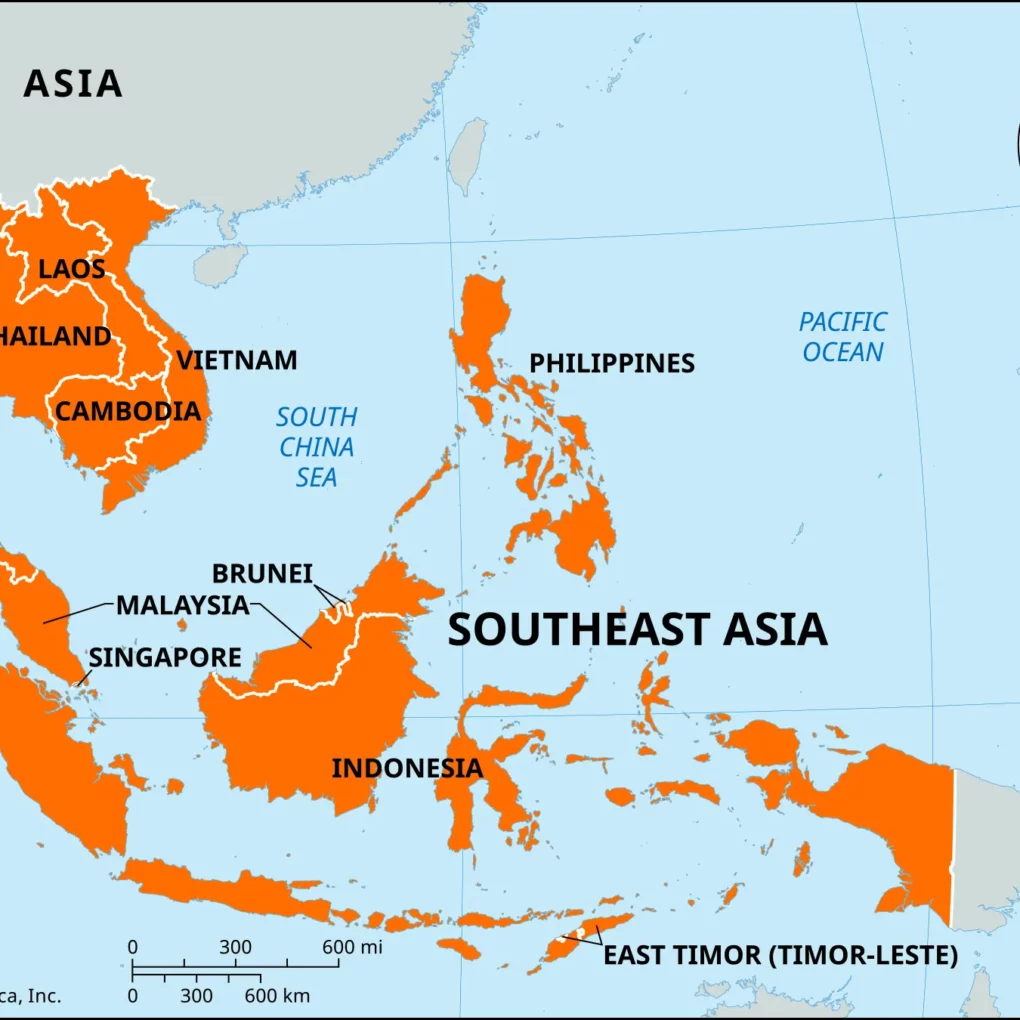
Southeast Asia represents the world’s fastest-growing trade region, with intra-regional trade reaching $3.2 trillion annually and growing at 8.5% year-over-year. The region’s strategic location, diverse economies, and preferential trade agreements create unprecedented opportunities for import/export businesses.
However, 75% of new import/export ventures fail within their first two years due to regulatory complexities, cultural misunderstandings, and inadequate preparation. Success requires comprehensive planning, local expertise, and strategic execution.
Market Overview: Why Southeast Asia Now?
Economic Fundamentals
- Population: 685+ million consumers with rapidly growing middle class
- GDP Growth: Consistent 5-7% annual growth across major economies
- Trade Volume: $4.8 trillion in total trade, with significant intra-regional commerce
- Digital Adoption: 80%+ internet penetration driving e-commerce growth
Strategic Advantages
- ASEAN Free Trade Area: Reduced tariffs and streamlined procedures
- Geographic Hub: Gateway between East and West, connecting major economies
- Manufacturing Base: Cost-effective production with improving quality
- Government Support: Pro-business policies encouraging international trade
Country-Specific Business Environment Analysis
Singapore: The Regional Hub

Business Advantages:
- Ease of doing business: World’s #2 ranking for business-friendly environment
- Advanced infrastructure: World-class ports, airports, and digital systems
- Tax efficiency: Competitive corporate tax rates and numerous incentives
- English proficiency: Seamless communication for international businesses
Key Considerations:
- Higher costs: Premium for Singapore’s advantages
- Competitive market: Established players with strong relationships
- Talent competition: High demand for skilled professionals
Vietnam: The Manufacturing Powerhouse
Business Advantages:
- Cost competitiveness: Lower labor and operational costs
- Government incentives: Attractive packages for foreign investors
- Strategic location: Access to both regional and global markets
- Growing domestic market: 98+ million consumers with increasing purchasing power

Key Considerations:
- Bureaucratic complexity: Multiple approvals and regulatory layers
- Infrastructure gaps: Logistics and transportation limitations in some areas
- Cultural adaptation: Relationship-building essential for success
Thailand: The Stable Gateway

Business Advantages:
- Political stability: Established business environment with predictable policies
- Advanced infrastructure: Well-developed transportation and logistics networks
- Strategic location: Central position for mainland Southeast Asia access
- Established industries: Strong automotive, electronics, and food processing sectors
Key Considerations:
- Regulatory complexity: Detailed compliance requirements
- Competition intensity: Mature market with established competitors
- Thai language preference: Local language skills advantageous
Indonesia: The Massive Market

Business Advantages:
- Market size: 275+ million consumers, largest economy in Southeast Asia
- Natural resources: Rich in commodities and raw materials
- Government support: Pro-business reforms and investment incentives
- Geographic diversity: Multiple sub-markets and opportunities
Key Considerations:
- Archipelago challenges: Logistics complexity across 17,000+ islands
- Regulatory variations: Different rules across provinces and regions
- Cultural diversity: Multiple ethnic groups and business practices
Malaysia: The Balanced Choice
Business Advantages:
- Multicultural environment: Chinese, Malay, and Indian business networks
- Advanced infrastructure: Modern ports, airports, and telecommunications
- English proficiency: Widespread business English usage
- Government initiatives: Strong support for trade and investment

Key Considerations:
- Competition from Singapore: Regional hub competition
- Regulatory complexity: Bumiputera policies and local content requirements
- Currency volatility: Ringgit fluctuations affecting profitability
Essential Legal and Regulatory Framework
Business Registration Requirements
Singapore:
- Entity types: Private limited company, branch office, representative office
- Minimum capital: S$1 for private limited company
- Registration time: 1-3 business days online
- Local requirements: At least one Singapore resident director
Vietnam:
- Entity types: Limited liability company, joint stock company, branch office
- Minimum capital: No minimum for most industries
- Registration time: 15-45 days depending on complexity
- Local requirements: Legal representative must be Vietnam resident
Thailand:
- Entity types: Limited company, branch office, representative office
- Minimum capital: THB 2+ million depending on business type
- Registration time: 7-30 days with proper preparation
- Local requirements: Thai majority ownership (51%) for most sectors
Import/Export Licensing
General Requirements:
- Import/export license: Required for most traded goods
- Product-specific permits: Food, pharmaceuticals, electronics may need additional approvals
- Customs registration: Formal registration with customs authorities
- Tax identification: VAT registration and corporate tax compliance
Compliance Essentials:
- Documentation standards: Commercial invoices, packing lists, certificates of origin
- Quality certifications: ISO, CE, FDA approvals depending on products
- Environmental compliance: Green certifications and waste management
- Labor compliance: Employment law adherence for local staff
Strategic Business Model Considerations
Trading House Model
Advantages:
- Lower capital requirements: No manufacturing investment needed
- Flexibility: Can pivot products and markets quickly
- Relationship focus: Builds valuable supplier and buyer networks
- Scalability: Can grow rapidly with successful product lines
Requirements:
- Market intelligence: Deep understanding of supply and demand
- Relationship management: Strong supplier and customer connections
- Quality control: Inspection and verification capabilities
- Financial management: Working capital and payment term optimization
Distribution Partnership Model
Advantages:
- Exclusive territories: Protected market position
- Brand building: Long-term relationship development
- Marketing support: Principal company backing and resources
- Predictable revenue: Ongoing commission or margin structure
Requirements:
- Territory development: Investment in market building
- Inventory management: Stock holding and distribution capabilities
- Marketing execution: Local promotion and sales activities
- Performance commitments: Meeting sales targets and service levels
Contract Manufacturing Facilitation
Advantages:
- High-value services: Complex transactions with better margins
- Long-term relationships: Ongoing partnerships with manufacturers and buyers
- Quality control: Value-added inspection and compliance services
- Market expansion: Helps clients enter new markets
Requirements:
- Technical expertise: Understanding of manufacturing processes and quality standards
- Compliance knowledge: Regulatory requirements across markets
- Project management: Coordinating complex, multi-party arrangements
- Risk management: Quality, delivery, and payment assurance
Financial Planning and Capital Requirements
Startup Capital Breakdown (Typical 12-Month Budget)
- Business registration and legal: $5,000-$15,000
- Office setup and equipment: $10,000-$30,000
- Initial inventory/working capital: $50,000-$200,000
- Marketing and business development: $15,000-$40,000
- Operating expenses (12 months): $60,000-$150,000
- Contingency reserve: 20% of total budget
Total Estimated Requirement: $150,000-$500,000 depending on scale and location
Revenue Projections and Profitability
Year 1 Targets:
- Revenue goal: $500,000-$2,000,000 depending on product category
- Gross margin: 15-25% for trading, 25-40% for distribution
- Break-even timeline: 8-12 months with adequate capital
- ROI expectations: 20-35% annually after establishment
Cash Flow Management
Critical Considerations:
- Payment terms: 60-90 day cycles common in Southeast Asia
- Currency hedging: Essential for significant exposures
- Seasonal variations: Many industries have pronounced cycles
- Working capital: Typically 3-6 months of operating expenses needed
Technology and Operations Infrastructure
Essential Technology Stack
- ERP system: Integrated operations management (SAP, Oracle, or regional alternatives)
- CRM platform: Customer relationship and sales management
- Documentation system: Trade document management and workflow
- Financial management: Multi-currency accounting and reporting
- Communication tools: Video conferencing, messaging, and collaboration
Logistics and Supply Chain
- Freight forwarders: Reliable international shipping partners
- Customs brokers: Local expertise for import/export procedures
- Warehouse facilities: Strategic storage locations
- Quality control: Inspection and testing capabilities
- Insurance coverage: Comprehensive cargo and liability protection
Market Entry Strategy Framework
Phase 1: Market Research and Validation (Months 1-3)
- Product demand analysis: Identify high-potential product categories
- Competitive landscape mapping: Understand existing players and gaps
- Regulatory requirement assessment: Compliance costs and timelines
- Initial relationship building: Key supplier and buyer identification
Phase 2: Business Establishment (Months 4-6)
- Legal entity formation: Business registration and licensing
- Financial infrastructure: Banking, accounting, and payment systems
- Office and operational setup: Physical presence and systems
- Initial team hiring: Key personnel recruitment and training
Phase 3: Pilot Operations (Months 7-9)
- Initial transactions: Small-scale deals to test processes
- Relationship development: Deepening supplier and customer connections
- Process optimization: Refining operations based on experience
- Market feedback integration: Adapting approach based on results
Phase 4: Scale and Expansion (Months 10-12)
- Volume growth: Increasing transaction size and frequency
- Product line expansion: Additional categories and opportunities
- Geographic expansion: Additional countries or regions
- Strategic partnerships: Joint ventures and exclusive arrangements
Risk Management and Mitigation
Common Risks and Solutions
- Payment default risk: Credit insurance and letters of credit
- Currency fluctuation: Hedging strategies and natural hedging
- Political instability: Political risk insurance and diversification
- Quality issues: Inspection services and supplier audits
- Regulatory changes: Legal compliance monitoring and advisory services
Success Factors and Best Practices
- Local partnerships: Essential for cultural navigation and market access
- Continuous learning: Stay updated on regulations and market changes
- Relationship investment: Long-term approach to business development
- Quality focus: Never compromise on quality for short-term gains
- Financial discipline: Maintain adequate reserves and cash flow management
Your Path to Southeast Asian Trade Success
Starting an import/export business in Southeast Asia offers tremendous opportunities for those who approach it strategically. Success requires thorough preparation, cultural sensitivity, and professional partnerships.
Ready to launch your Southeast Asian import/export venture? Our regional trade specialists have helped over 300 businesses successfully establish operations across Southeast Asia, with a 90% success rate for properly prepared ventures.
Get your personalized market entry strategy today. We’ll provide comprehensive market analysis, regulatory guidance, and partnership facilitation to ensure your import/export business launches successfully. Don’t let complexity prevent you from capturing Southeast Asia’s trade opportunities—turn regional expertise into your competitive advantage.