



The Global Opportunity vs. Reality Check
Only 5% of startups successfully scale internationally, yet the global market represents 95% of potential customers for most businesses. The difference between success and failure often lies not in the quality of the product or service, but in understanding the complexities of international trade and market entry.

For startups, international expansion can either accelerate growth exponentially or drain resources catastrophically. The key is strategic planning, proper preparation, and avoiding the pitfalls that destroy unprepared businesses.
Why Most Startups Fail at Global Scaling
1. Capital Miscalculation
Startups typically underestimate international expansion costs by 200-400%:
- Regulatory compliance costs: Legal, certification, and licensing fees
- Logistics complexity: International shipping, customs, warehousing
- Marketing localization: Cultural adaptation, local partnerships, advertising
- Working capital needs: Extended payment cycles and currency fluctuations
2. Legal and Compliance Blindness
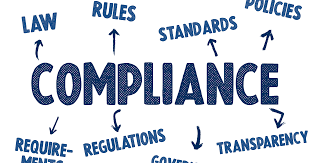
International trade regulations are complex and constantly evolving:
- Tax obligations: Multiple jurisdictions with different requirements
- Product standards: Safety, quality, and certification requirements vary by country
- Intellectual property risks: Different protection levels and enforcement mechanisms
- Contract law variations: Local legal frameworks affect agreements
3. Market Entry Missteps
Rushing to market without proper research leads to costly mistakes:
- Cultural misunderstanding: Products or services that don’t resonate locally
- Pricing errors: Incorrect positioning due to purchasing power differences
- Distribution challenges: Inadequate understanding of local sales channels
- Competition underestimation: Established local players with advantages
The Strategic Framework for Global Scaling
Phase 1: Market Intelligence and Validation
Target Market Prioritization
- Market size analysis: Total addressable market and growth projections
- Competitive landscape mapping: Direct and indirect competitors assessment
- Regulatory complexity scoring: Ease of market entry and compliance requirements
- Cultural alignment evaluation: Product-market fit probability

Customer Discovery
- Local market research: Surveys, focus groups, and prototype testing
- Partner identification: Local distributors, resellers, and strategic partners
- Pricing validation: Willingness to pay and price sensitivity analysis
- Channel optimization: Most effective routes to market
Phase 2: Infrastructure Development
Legal and Compliance Foundation
- Business entity establishment: Local incorporation or representative offices
- Tax structure optimization: Minimize liability while ensuring compliance
- Intellectual property protection: Patents, trademarks, and trade secrets
- Regulatory compliance systems: Quality standards and certification processes
Operational Infrastructure
- Supply chain localization: Regional suppliers and distribution networks
- Technology stack adaptation: Local payment systems, languages, currencies
- Customer service capabilities: Local language support and service levels
- Quality assurance systems: Maintaining standards across markets
Phase 3: Market Entry Execution
Phased Launch Strategy
- Pilot market selection: Start with highest-probability success markets
- Minimum viable presence: Lean approach to test market response
- Performance monitoring: Real-time metrics and rapid iteration capability
- Scale preparation: Systems and processes that can handle growth
Critical Success Factors by Business Model
E-commerce Startups

Localization Requirements:
- Website translation: Professional localization, not just translation
- Payment methods: Local preferred payment options and currencies
- Shipping logistics: Competitive delivery times and costs
- Customer service: Local language support and cultural understanding
Key Metrics:
- Conversion rate by market: Measure effectiveness of localization
- Customer acquisition cost: Compare efficiency across markets
- Lifetime value analysis: Long-term profitability by geography
- Return/refund rates: Quality and satisfaction indicators
SaaS and Technology Startups
Technical Considerations:
- Data sovereignty: Local data storage and privacy compliance
- Integration requirements: Local software ecosystems and standards
- Scalability architecture: Infrastructure that supports global users
- Security certifications: Regional security and compliance requirements
Success Indicators:
- User adoption rates: Speed of market penetration
- Feature utilization: Local preferences and usage patterns
- Churn rate analysis: Retention compared to home market
- Revenue per user: Pricing model effectiveness
Physical Product Startups
Supply Chain Complexity:
- Manufacturing decisions: Local vs. central production strategies
- Quality control systems: Consistent standards across production sites
- Distribution networks: Efficient routes to market
- Inventory management: Demand forecasting and stock optimization
Performance Tracking:
- Time to market: Speed of product availability
- Quality metrics: Defect rates and customer satisfaction
- Distribution efficiency: Cost and speed of market coverage
- Local partnership success: Revenue contribution and relationship health
Financial Planning for International Expansion

Capital Requirements Planning
Year 1 Expansion Budget (Typical Allocation):
- Legal and compliance: 15-20% of expansion budget
- Marketing and localization: 30-35% for market penetration
- Operations and infrastructure: 25-30% for capacity building
- Working capital: 20-25% for cash flow management
Revenue Projections:
- Conservative timeline: 12-18 months to meaningful revenue
- Break-even expectations: 18-36 months depending on market
- ROI targets: Minimum 3:1 return within 3 years
Risk Management and Contingency Planning
Currency Risk Mitigation:
- Hedging strategies: Forward contracts and currency options
- Natural hedging: Match revenues and costs in same currencies
- Pricing adjustments: Flexible pricing models for currency fluctuations
Political and Economic Risk:
- Country risk assessment: Political stability and economic indicators
- Diversification strategy: Multiple markets to reduce single-country exposure
- Exit strategy planning: Clear criteria for market withdrawal
Technology Tools for Global Scaling
Essential Technology Stack
- Customer relationship management: Global CRM with multi-currency support
- Enterprise resource planning: Integrated operations across markets
- Communication platforms: Team collaboration across time zones
- Analytics and reporting: Unified data collection and analysis
Automation and Efficiency
- Marketing automation: Localized campaigns with central control
- Customer service tools: Multi-language support and ticketing systems
- Financial management: Multi-currency accounting and reporting
- Compliance monitoring: Automated regulatory requirement tracking
Common Scaling Mistakes to Avoid
- Premature expansion: Scaling before achieving product-market fit domestically
- Over-expansion: Trying to enter too many markets simultaneously
- Under-investment in localization: Assuming domestic success translates directly
- Ignoring local partnerships: Trying to build everything from scratch
- Inadequate legal preparation: Underestimating compliance requirements
- Cultural insensitivity: Failing to adapt to local customs and preferences
Building Your Global Scaling Plan
6-Month Pre-Launch Preparation
- Market research and validation: Comprehensive opportunity assessment
- Legal structure planning: Entity formation and compliance preparation
- Partner identification: Local distributors, suppliers, and service providers
- Technology preparation: Systems integration and localization planning
Launch Phase (Months 1-6)
- Soft launch execution: Limited market entry with close monitoring
- Performance optimization: Rapid iteration based on early feedback
- Partnership activation: Leveraging local relationships for growth
- Scaling preparation: Infrastructure development for growth phase
Growth Phase (Months 6-18)
- Market expansion: Broader market penetration and customer acquisition
- Operational scaling: Team building and process optimization
- Additional market evaluation: Assessment of next expansion opportunities
- Financial optimization: Cost management and profitability improvement
Your Global Success Strategy
International scaling doesn’t have to be a high-risk gamble. With proper planning, strategic partnerships, and expert guidance, startups can expand globally while minimizing risks and maximizing returns.
Ready to scale your startup globally with confidence? Our international expansion specialists have helped over 200 startups successfully enter new markets, with an 85% success rate for companies that follow our strategic framework.
Get your personalized global scaling roadmap today. We’ll assess your startup’s readiness for international expansion and provide a detailed action plan for successful global growth. Don’t let the complexity of international trade limit your startup’s potential—turn global expansion into your competitive advantage.